


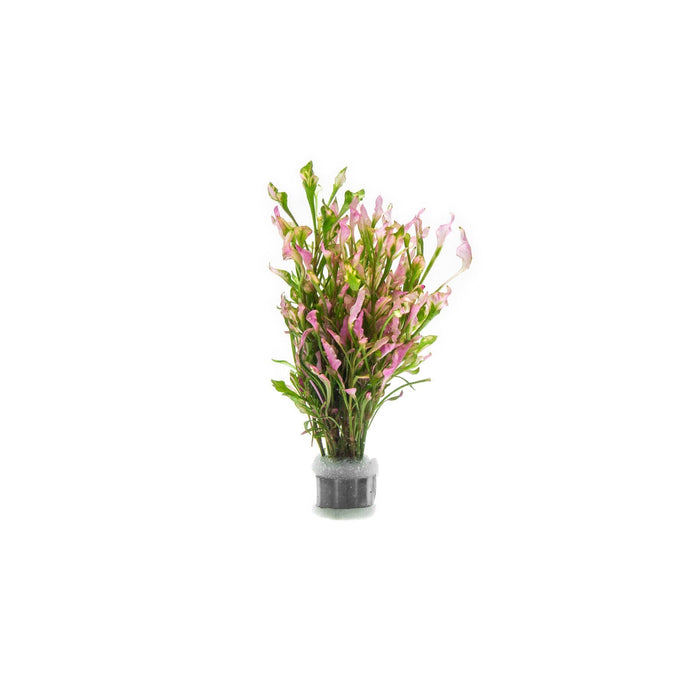
Alternanthera Variegatus
Plant Profile
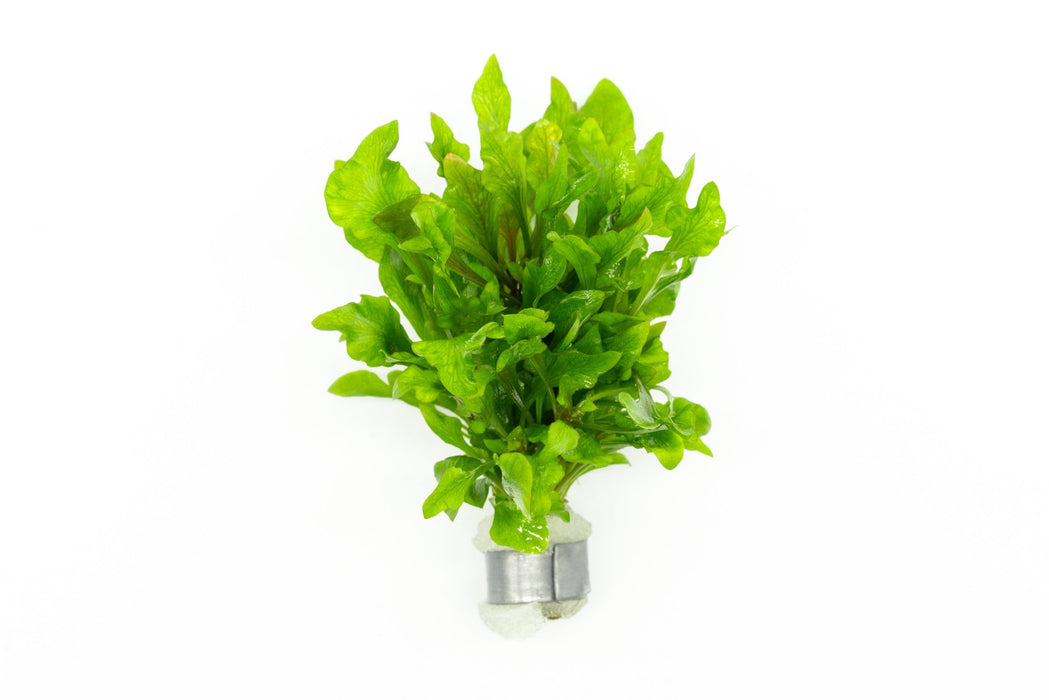
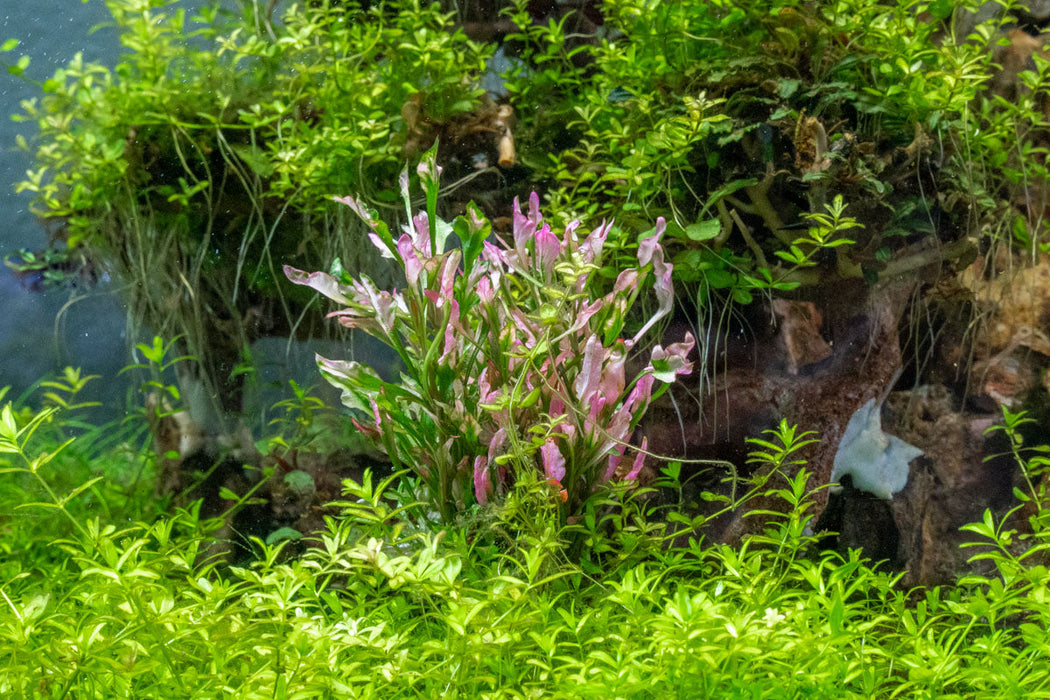
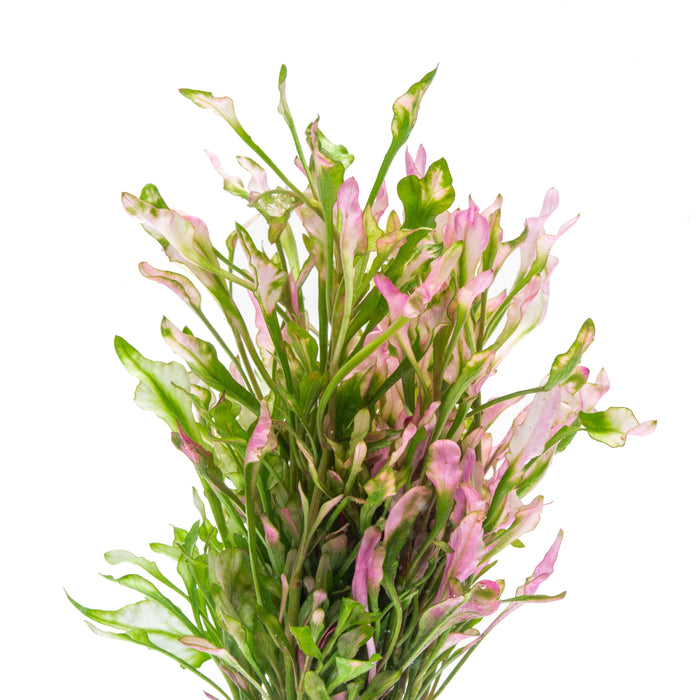
Alternanthera Reineckii 'Variegatus' is an eye-catching color cultivar of the classic South American stem plant, standing out thanks to delicate ruffled leaf margins paired with intricate variegated vein patterns. Its bright lime-green leaves are accented by vivid pink veins, sturdy magenta stems, and reddish-brown undertones, adding real texture and color depth to any planted aquarium. Growing 4 to 12 inches tall, it works as a midground centerpiece or a colorful background hedge, offering striking contrast against traditional smooth-leaved plants.
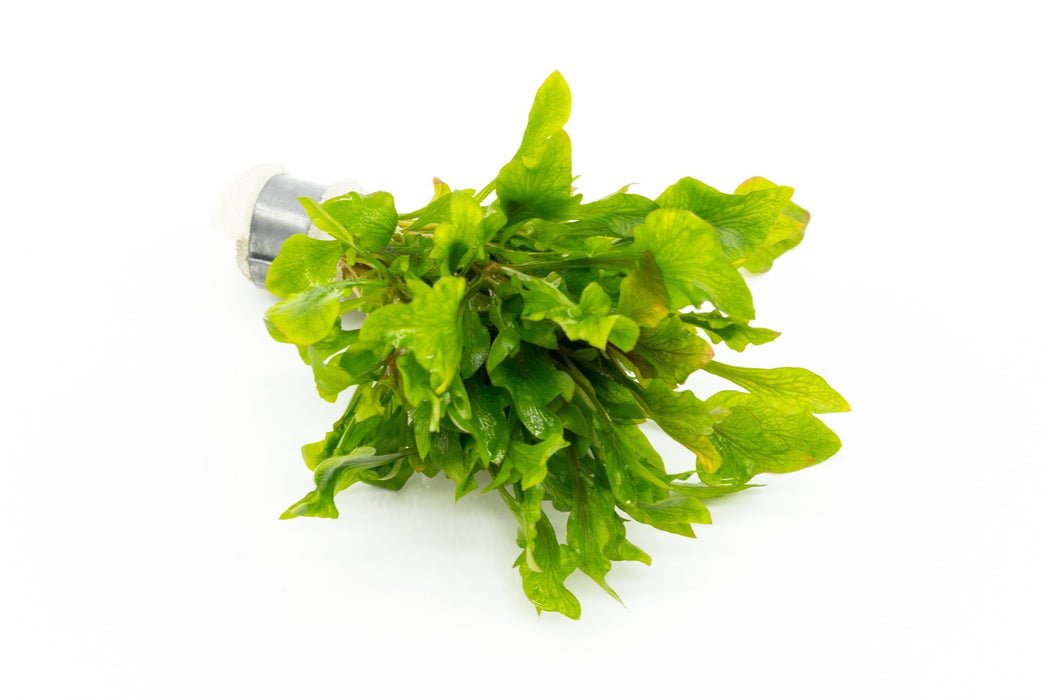
*Form Notice: Photos display this plant in both its emersed (above-water) and submerged forms. Depending on nursery availability and seasonality, you may receive this plant in either form. Learn more about what to expect by reading our guide on Emersed vs. Submerged-Grown Aquatic Plants.
Key Features & Benefits
- Unique ruffled leaf edges deliver unrivaled texture.
- Distinct appearance creates a captivating midground or background centerpiece.
- Dense, broad-leafed structure shelters shy fish and dwarf shrimp.
Care & Planting Instructions
- Remove lead weight (or pot) and remove cotton wrap (or foam) surrounding the roots, then strip lower foliage so bare stems anchor cleanly into soil without rotting.
- Use fine-tip pinsettes to push individual stems 1 to 2 inches into nutrient-rich substrate, spacing them slightly apart so light reaches lower foliage.
- Provide medium-to-high lighting and quality aquarium soil; regular dosing of liquid fertilizers alongside pressurized CO2 injection will enhance stem thickness, maintain compact growth, and bring out intense pink and magenta stem pigmentation. See our guide to growing red aquarium plants.
- Maintain stable water parameters and avoid sudden environmental shifts to prevent leaf melt or stem rotting.
- Trim main stem tops with straight scissors once stems reach the desired height, and replant trimmings directly into substrate to propagate and expand coverage. Read our trimming & propagation guide for details.
Quick Facts
Listed information should be treated as general guidelines only. Team Buce Plant encourages you to do thorough research to ensure healthy growth!
| Attribute | Specification |
|---|---|
| Scientific Name | Alternanthera reineckii 'Variegatus' |
| Common Name(s) | Alternanthera Variegatus, AR Variegated, Variegated AR |
| Family | Amaranthaceae |
| Plant Type / Taxonomy | Stem Plant |
| Care Difficulty | Easy to Moderate |
| Light Requirement | Medium to High |
| CO2 Requirement | Required (Essential for pink/red stem tones and compact growth) |
| Placement / Usage | Midground / Background Centerpiece |
| Height / Size | 4–12”+ |
| Growth Rate | Moderate to Fast |
| Water Parameters | pH 6.5–7.5 |
| Propagation Method | Cuttings (Cut stem and replant tops) |
| Origin | Central & South America (Cultivar) |
Frequently Asked Questions
1. Why are the lower leaves falling off my stem plants?
Lower leaf loss (leggy stems) usually occurs when lighting cannot reach the bottom of the plant due to overcrowding or shading from larger plants. Spacing individual stems slightly apart during initial planting and maintaining strong light penetration will keep lower leaves healthy.
2. How do I bring out bright pink and red coloration on Alternanthera Variegatus?
While Alternanthera Variegatus displays green leaves under lower light, encouraging bright pink stem coloration and deep magenta leaf undersides requires medium-to-high light intensity, mandatory pressurized CO2, nutrient-rich aquasoil, and regular liquid nutrient dosing with iron.
3. How do I transition Alternanthera Variegatus from emersed to submerged growth?
When transitioning from emersed to submerged growth, plant bare stems securely into rich substrate under good lighting and keep water parameters stable. As new growth adapts, the plant will shed its stiffer emersed leaves and sprout soft, ruffled underwater foliage with vivid pink veins. Once new shoots take root, trim away old lower growth to encourage dense branching.