



Ceratophyllum Demersum/ Hornwort
Plant Profile
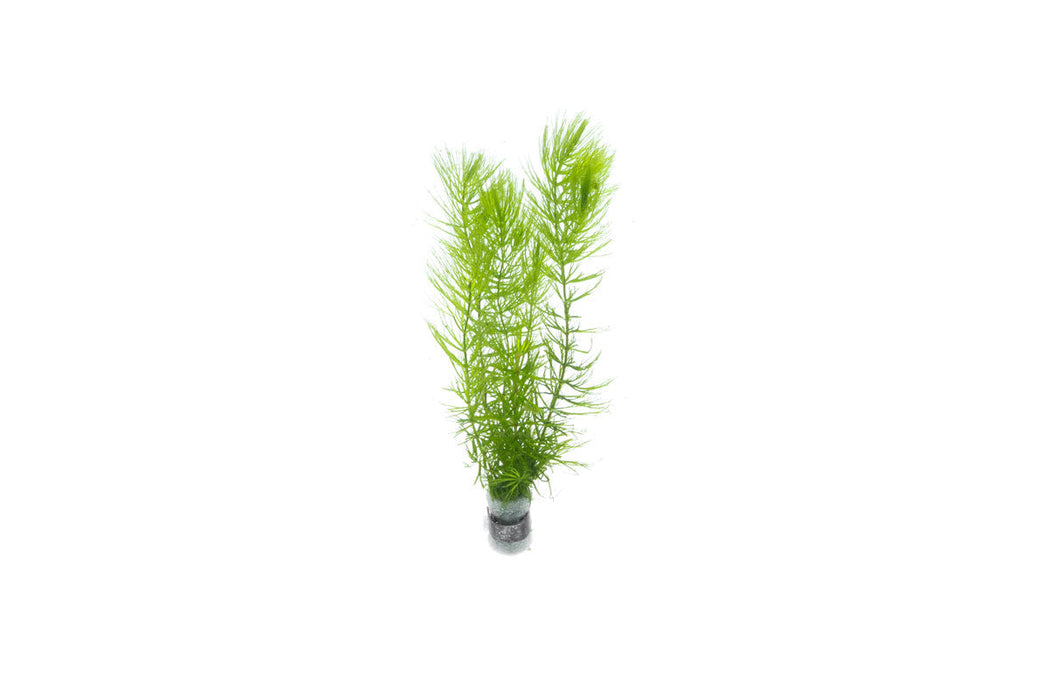
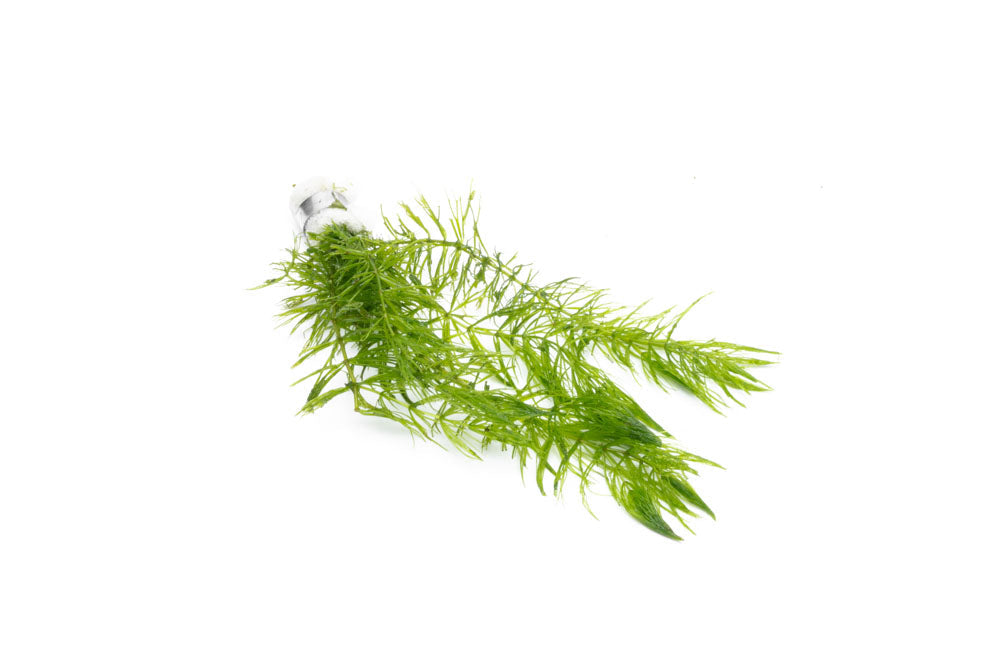
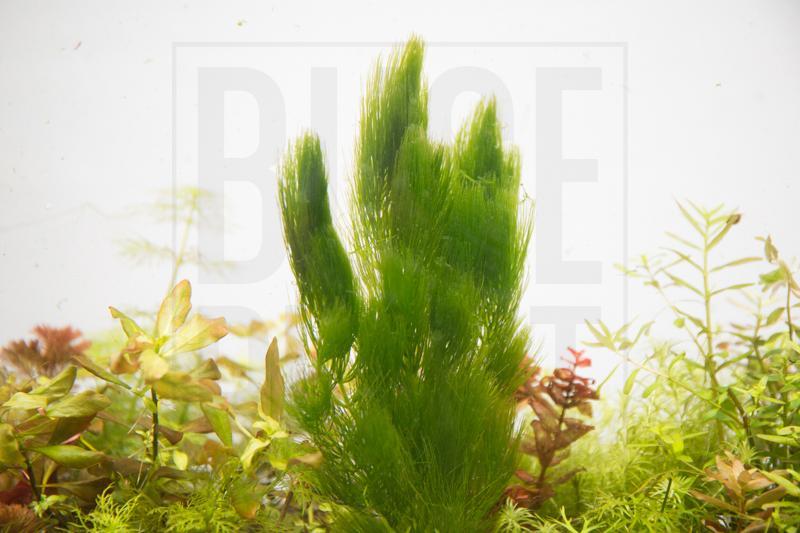
Meet Ceratophyllum Demersum, aka Hornwort or Coontail, the aquatic plant that skipped roots entirely and still somehow thrives everywhere. Found floating in quiet lakes, ponds, and slow-moving streams worldwide, it grows dense, needle-like whorls of stiff green foliage that branch out into bushy arrangements, looking every bit like its raccoon-tail nickname. No roots means it pulls nutrients straight through its foliage instead, turning it into a natural filter that chews through excess nitrates and phosphates before algae gets a chance. It's a favorite for beginners, shrimp keepers, and fish breeders alike, giving fry, shrimplets, and shy tankmates a place to hide out.
*Form Notice: Photos display this plant in its natural submerged form. Depending on farm availability and seasonality, portion size and branching density may vary slightly. Learn more about what to expect by reading our guide on Emersed vs. Submerged-Grown Aquatic Plants.
Key Features & Benefits
- Needle-like foliage whorls shelter fry and shrimplets, plus grazing biofilm.
- Fast-growing, rootless habit acts as a natural nutrient sponge, improving water quality and fighting algae.
- Beginner-friendly and adaptable, thrives floating or anchored without CO2 or soil.
Care & Planting Instructions
- Remove lead weight or rubber bands gently from the stem bases upon arrival. *Note that Hornwort is a rootless species and does not form traditional root systems.
- To keep Hornwort floating, simply place stems directly onto the water surface where they will freely drift and expand under light.
- To anchor Hornwort submerged, secure stem bases loosely to hardscape using plant weights or suction cups; avoid burying stem bases deep in dense substrate, as buried portions will decay.
- Provide low-to-high lighting and stable water parameters; CO2 injection is not required, making it an ideal choice for low-tech setups.
- Prune oversized or sprawling stems by simply cutting along any stem node with sharp aquatic scissors, and allow trimmings to float to propagate new plants. Read our trimming & propagation guide for details.
Quick Facts
Listed information should be treated as general guidelines only. Team Buce Plant encourages you to do thorough research to ensure healthy growth!
| Attribute | Specification |
|---|---|
| Scientific Name | Ceratophyllum demersum |
| Common Name(s) | Hornwort, Coontail, Ceratophyllum Demersum |
| Family | Ceratophyllaceae |
| Plant Type / Taxonomy | Floating / Submerged Rootless Stem Plant |
| Care Difficulty | Easy / Beginner |
| Light Requirement | Medium to High (Adaptable to Low Light) |
| CO2 Requirement | Not Required |
| Placement / Usage | Free-Floating Top Cover / Background Anchored Hedge |
| Height / Size | 6–15”+ (Can grow several feet if unpruned) |
| Growth Rate | Moderate to Fast |
| Water Parameters | pH 6.5–7.5 (Tolerates broad ranges) |
| Propagation Method | Cuttings (Cut along stem and allow to float) |
| Origin | Cosmopolitan (Widespread Globally) |
Frequently Asked Questions
1. Does Hornwort grow roots in aquarium substrate?
No, Hornwort is a strictly rootless aquatic plant. Instead of anchoring into soil, it absorbs all of its nutrients directly from the water column through its needle-like foliage. If you bury the stem base deep into substrate, the buried section will decay, causing the plant to float free.
2. Can I float Hornwort on the surface of my aquarium?
Yes, floating is the natural and easiest way to grow Hornwort. Letting it drift along the surface provides excellent shade, absorbs floating nutrients efficiently, and creates a safe sanctuary for fish fry and dwarf shrimp.
3. Why is my Hornwort shedding its needles?
Hornwort needle shedding (often called "melting") typically happens when the plant experiences sudden changes in water parameters, extreme temperature swings, or when introduced to a new environment. Keeping parameters stable, providing adequate light, and avoiding harsh chemical treatments will help it adjust quickly and sprout dense new growth.