


Fire Red Cherry Shrimp
Species Overview
Common Name: Cherry Shrimp, Red Cherry Shrimp, Fire Red Cherry Shrimp
Scientific Name: Neocaridina davidi "Fire Red"
Genus: Neocaridina
Wild Origin: Taiwan
Adult Size: 0.75-1.25 in
**Note: All livestock orders will come carefully packaged with solid wall Styrofoam insulation and shipped via 1-day shipping only. No additional insulation is needed for your livestock.
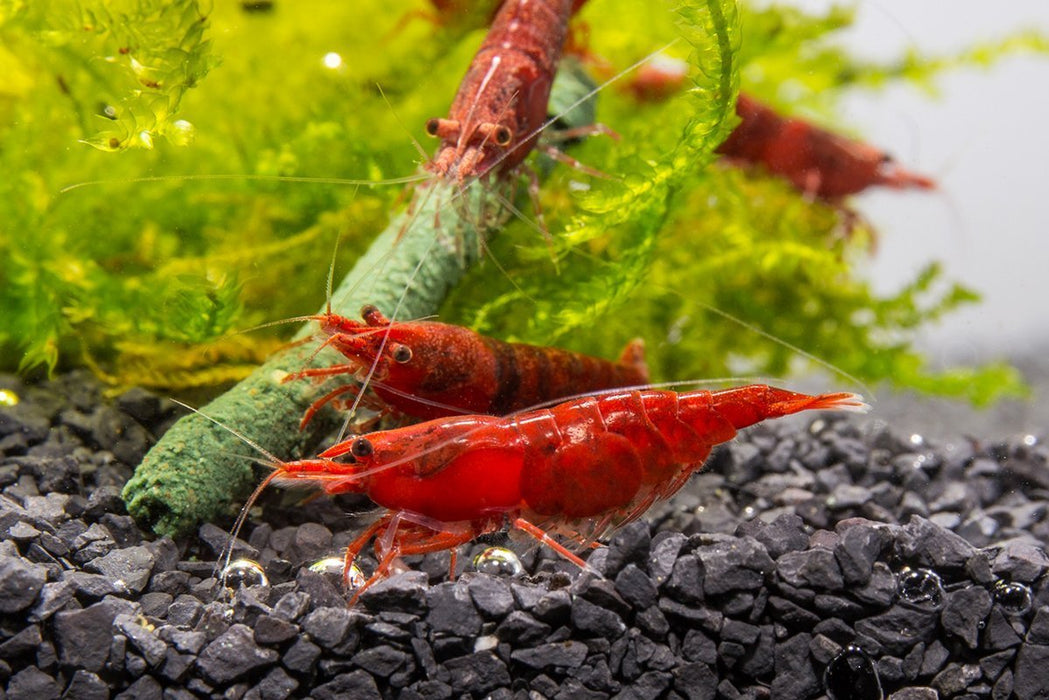
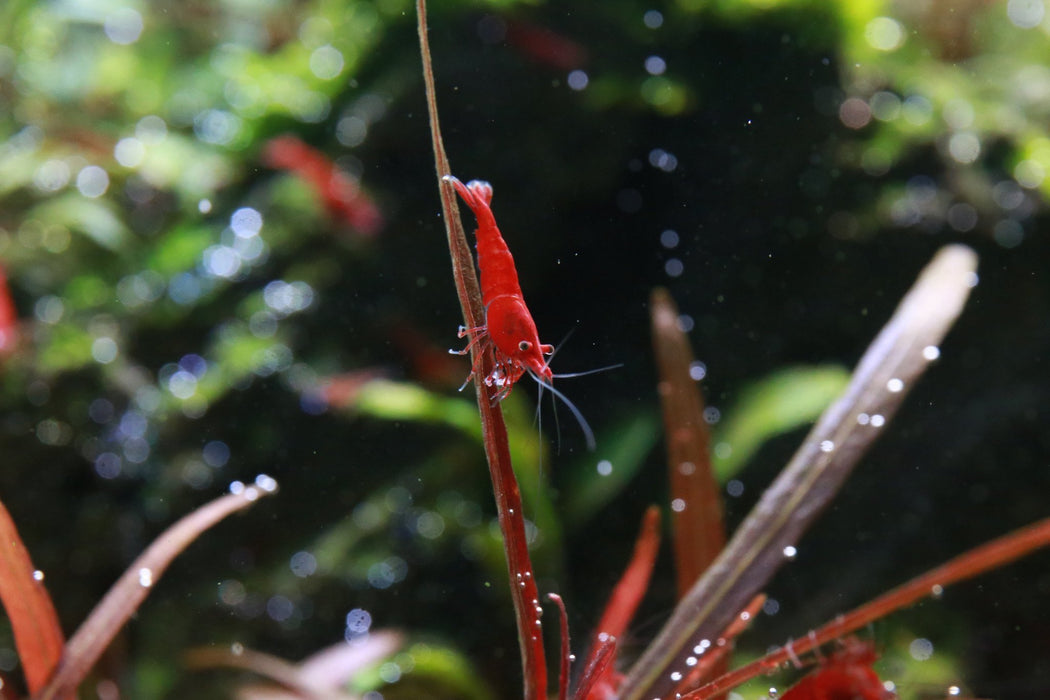
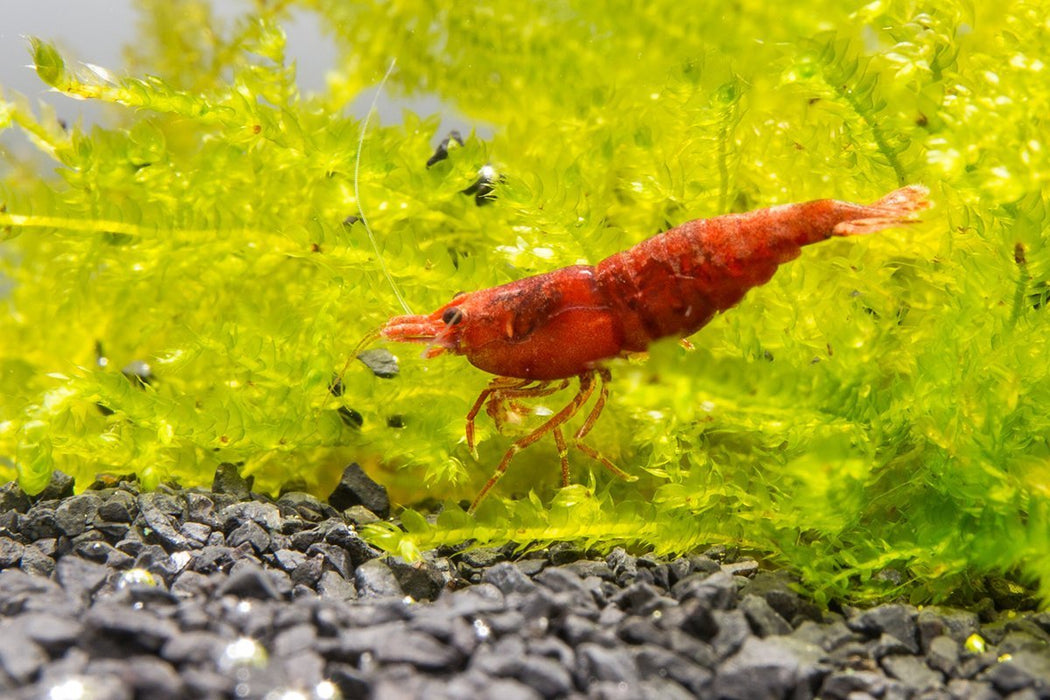
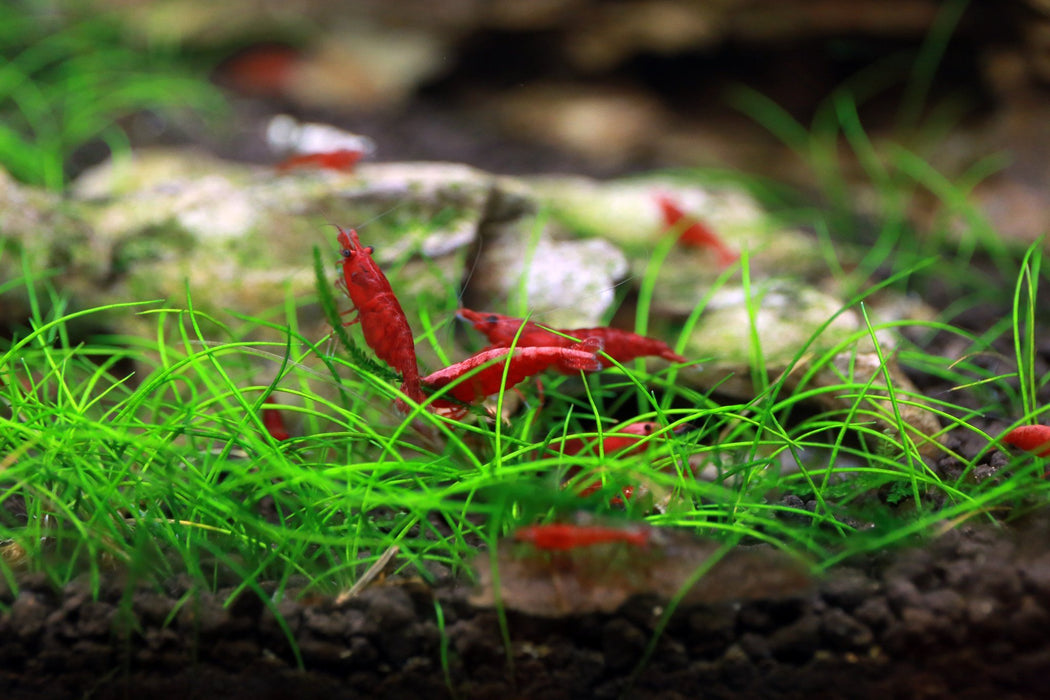
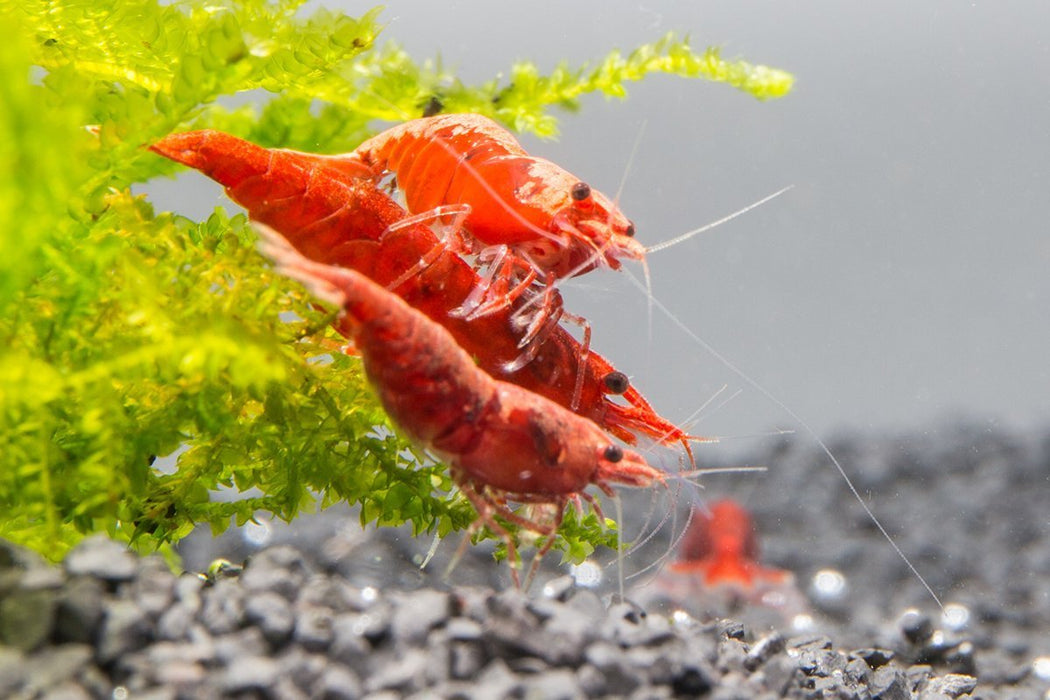
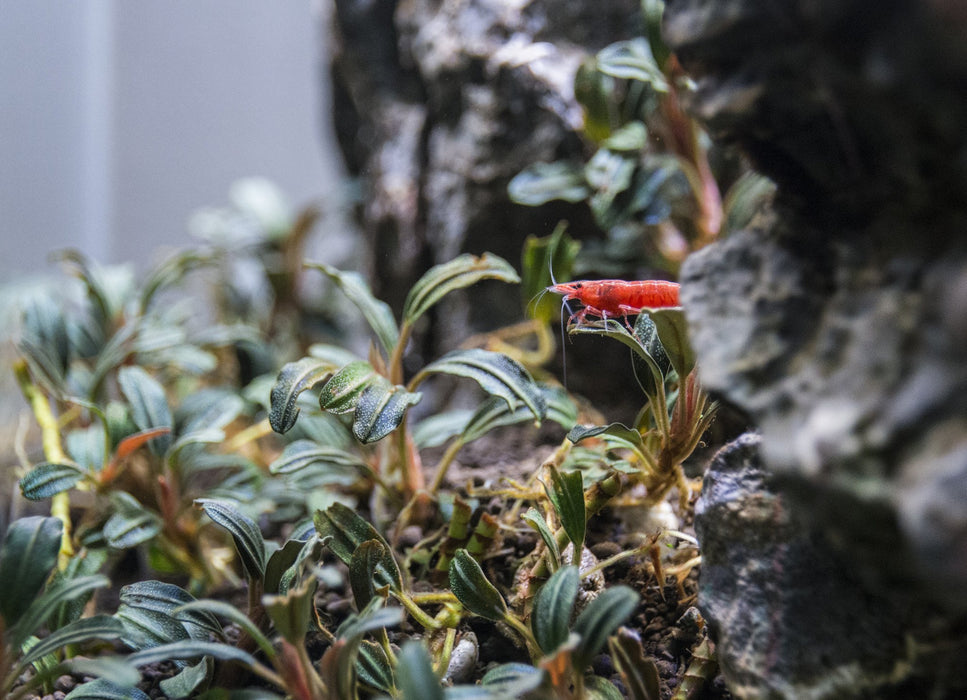
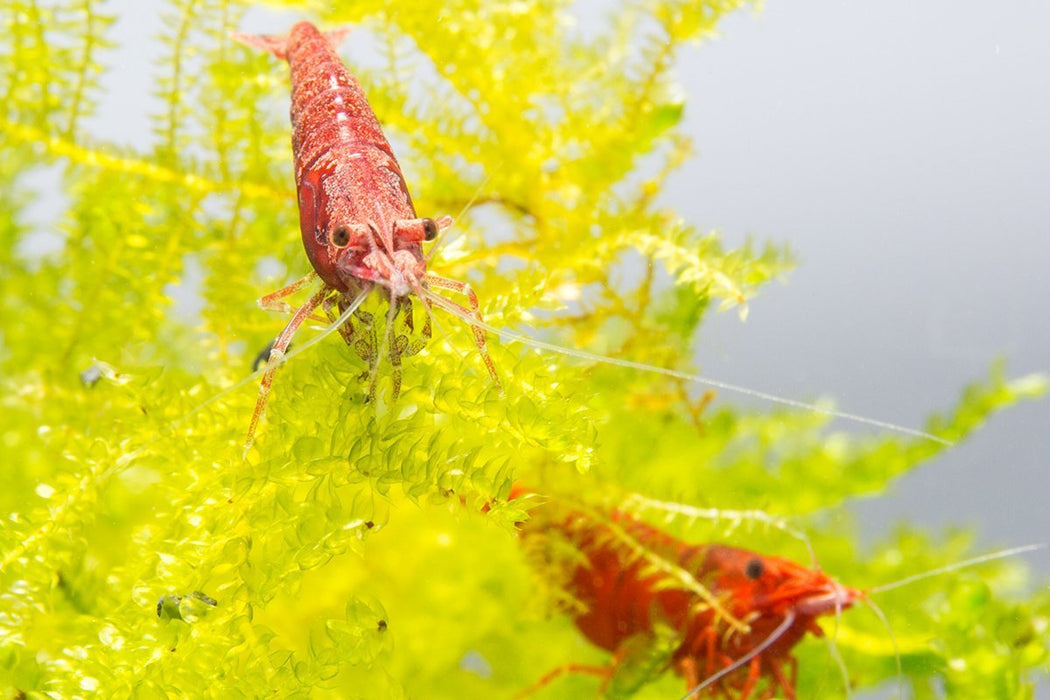
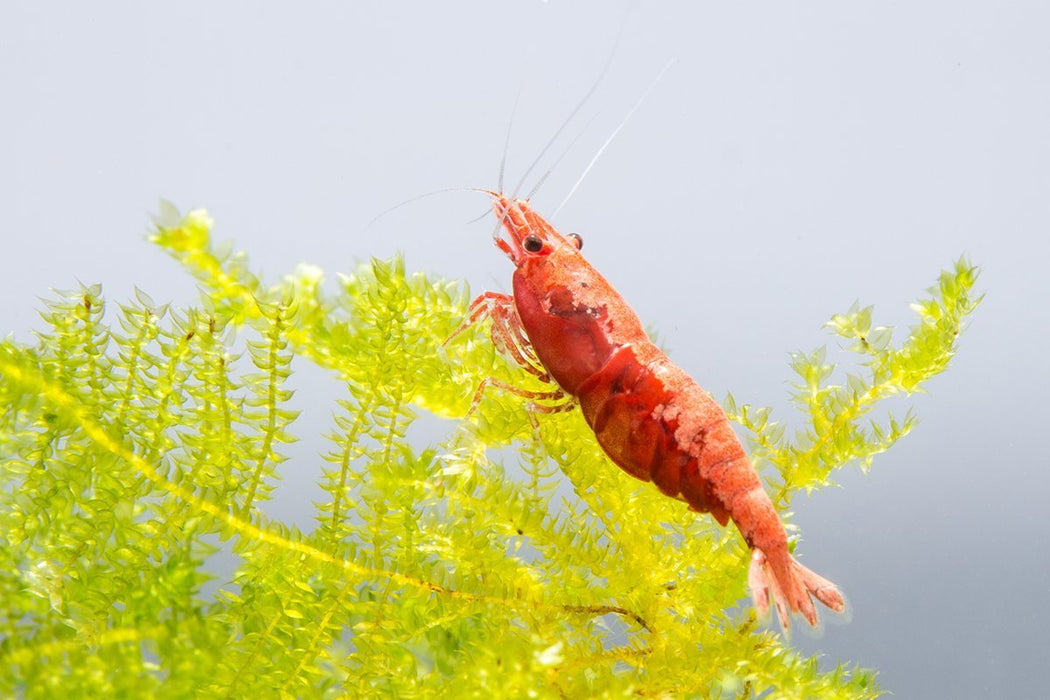
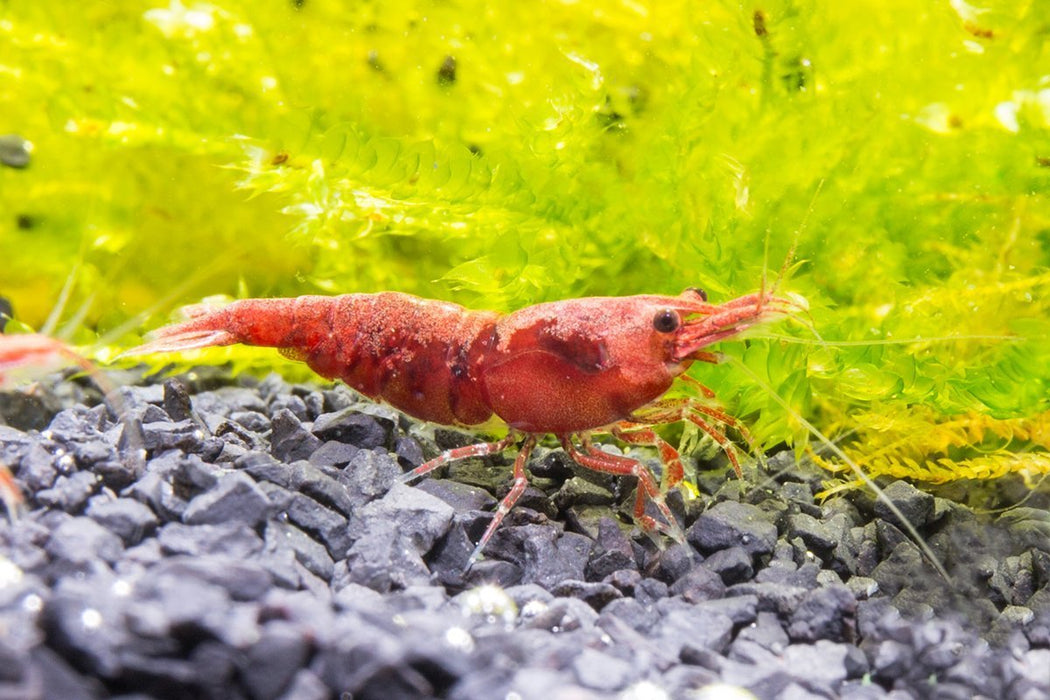
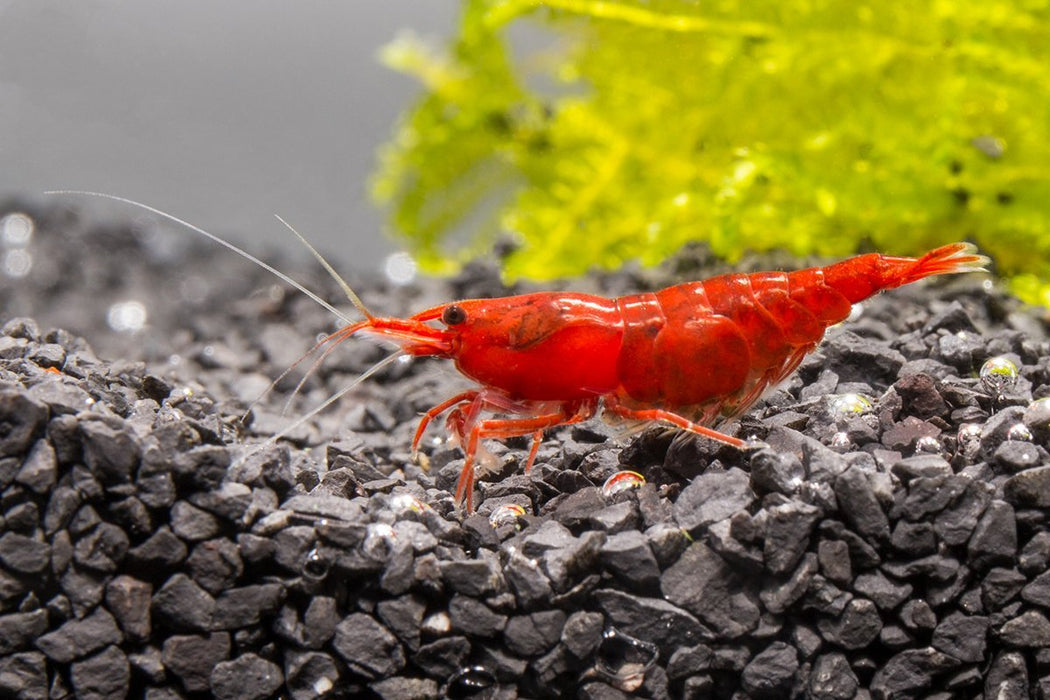
The Fire Red Cherry Shrimp is a premium, high-grade variant of the classic Red Cherry Shrimp. Unlike standard grades that display patchy or translucent shells, the Fire Red strain features a deep, opaque crimson body with solid color extending all the way through the legs. This intense coloration provides a stunning visual contrast against dark substrates and lush green aquatic plants. Exceptionally hardy and adaptable to standard tap water conditions, Fire Red Cherries are the gold standard for both beginner hobbyists and experienced aquascapers looking for an active, low-maintenance aquarium clean-up crew.
Key Features & Important Notes
- Tank-raised specimen with deep, solid red coverage that surpasses standard cherry grades.
- Exceptionally hardy and beginner-friendly; thrives across a wide range of standard tap water parameters.
- Low-maintenance, peaceful, and active clean-up crew that continuously grazes on algae and detritus.
- Low-stress addition for dedicated shrimp aquariums or peaceful community setups.
- To increase survival rates, please allow 2–3 business days after placing an order to properly prepare live animal shipments.
Care Specifications & Tank Requirements
Listed information should be treated as general guidelines only. We encourage you to do thorough research before committing to keeping any livestock.
- Temperature Range: 65-80 °F
- pH: 7.2-7.6
- TDS: 250-300 ppm
- GH: 8 dGH
- KH: 8 dGH
- Recommended Tank Size: 5+ gallons minimum. While 5-gallon setups work well, a 10-gallon tank or larger is ideal for maintaining parameter stability and supporting a thriving colony.
Diet
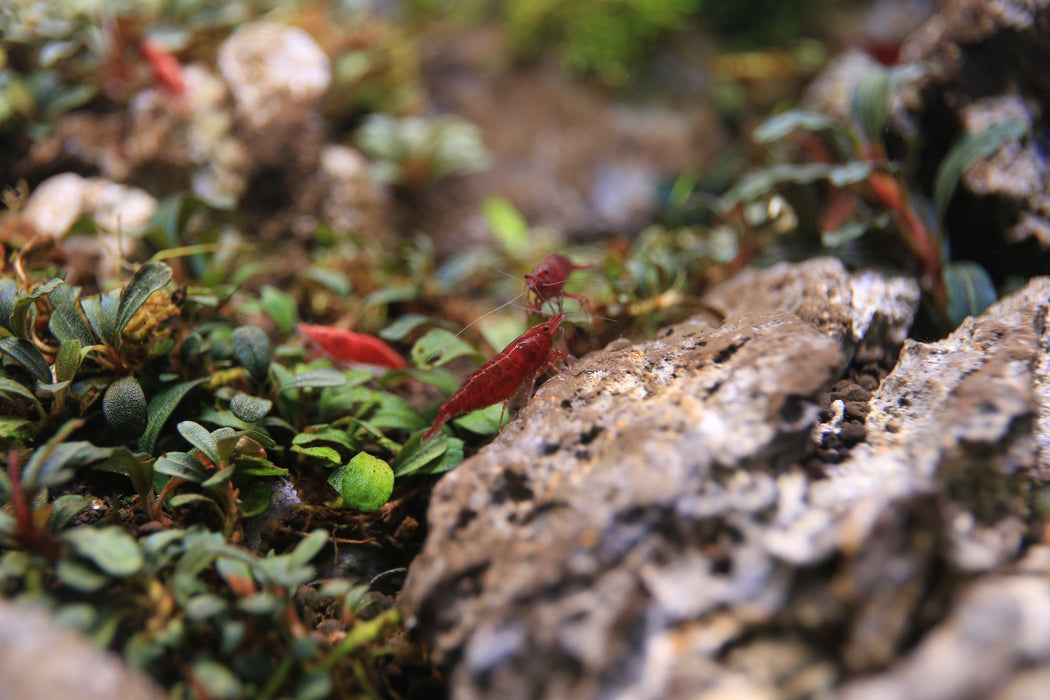
Omnivorous. Shrimp are natural scavengers that constantly consume detritus, diatoms, and organic waste. Supplement their diet with high-quality vegetable-based shrimp pellets, spirulina wafers, and blanched vegetables. Adding textured hardscape like lava rock to your shrimp aquarium is highly recommended to maximize the surface area available for beneficial biofilm growth.
Breeding
Fire Red Cherry Shrimp are among the easiest freshwater shrimp to breed. Sexing is straightforward at maturity; females are notably larger, possess a broader underbelly, and display a visible yellow "saddle" behind the head. We recommend starting with 8–10 specimens to guarantee a healthy male-to-female ratio.
The breeding cycle begins when a fertile female molts and releases pheromones. Once "berried," she carries the eggs for approximately 2 weeks. The resulting shrimplets are completely self-sufficient and feed on the same biofilm as the adults. Always leave molted shells in the tank so the colony can recycle essential minerals like calcium.
Grading Note: Premium Fire Reds are established through generations of selective breeding, continuously pairing offspring with the highest color density and culling patchy specimens. While solid red shrimp command a higher price due to this selective process, lower-grade specimens are just as healthy, active, and hardy.
Team Buce Plant Tips
If you're new to the hobby, learn the fundamentals with our Freshwater Aquarium Shrimp Care Guide. Before introducing your new livestock into a new tank, learn about the perfect drip rate and timing in 7 Easy Steps to Drip Acclimate Shrimp and Fish. Whether you need active soil or inert sand, you can find the perfect fit to stabilize your parameters in our Best Substrate for Shrimp Guide. When your tank is balanced and your colony is thriving, check out our step-by-step breakdown on How to Breed Freshwater Shrimp.