


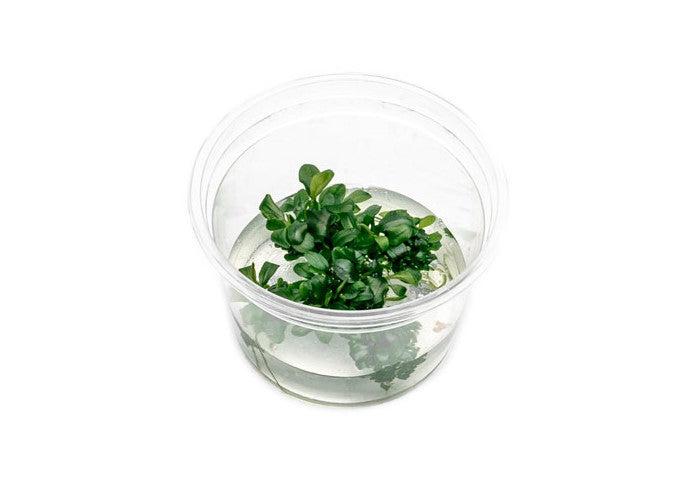
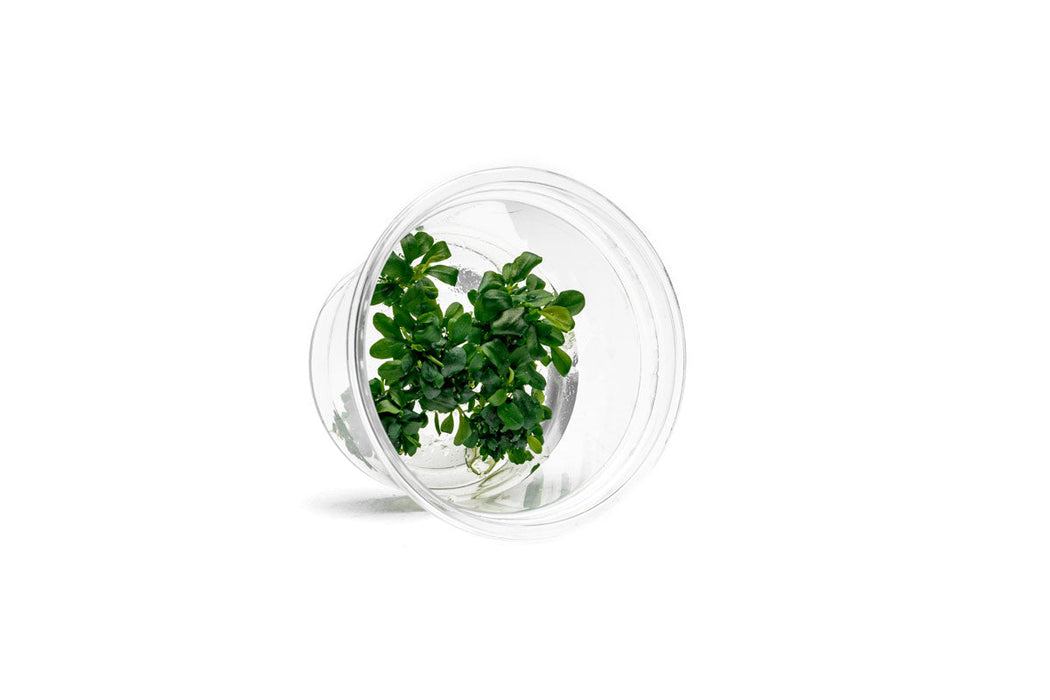
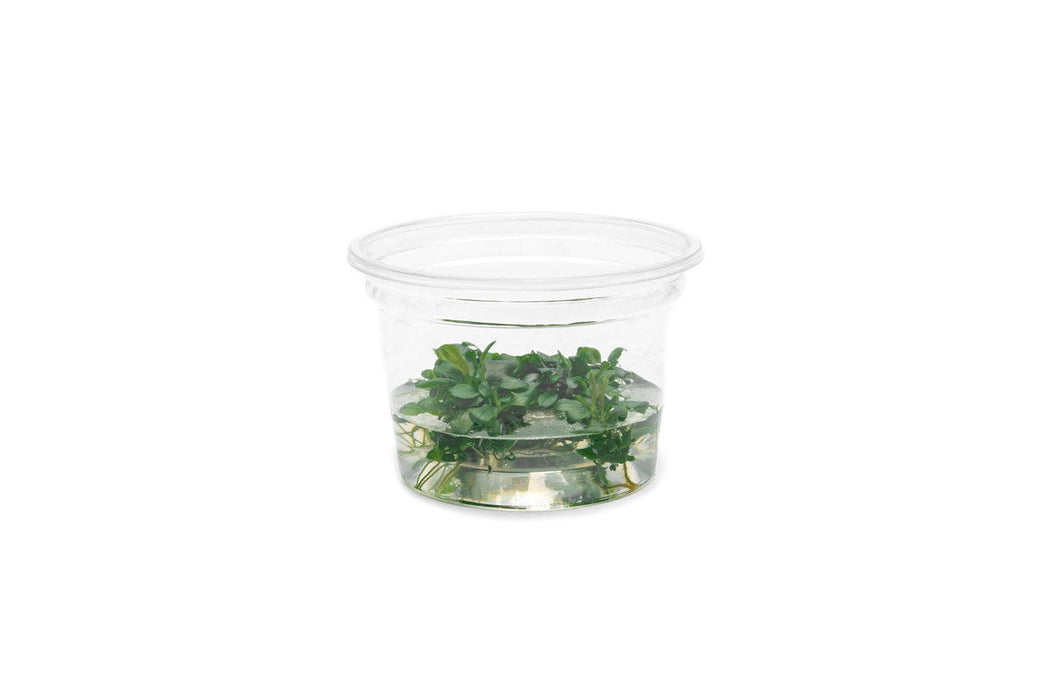


Bucephalandra Sintang Green UNS Tissue Culture
Plant Profile
Common Name: Bucephalandra Sintang Green
Buce ‘Sintang Green’ is a small-leafed aquarium plant featuring bright green foliage that produces a subtle, attractive sheen when lit by quality LED lighting. This particular variation is highly prized for its compact growth habit, making it an excellent choice for detailing the midground or foreground of freshwater aquascapes. This plant can be grown submerged or emersed, usually attached to hardscape such as driftwood or rocks rather than being buried in traditional aquarium substrate. It's a great choice for any planted tank, where it will slowly sprout from thin rhizomes to create a dense, lush green colony that stands out against darker hardscape.
By choosing the Tissue Culture version of this plant, you are guaranteed a 100% pest-free, algae-free, and pesticide-free start for your aquarium. These plants are grown in-vitro in a sterile laboratory setting, ensuring no unwanted snails or hitchhikers enter your system. While these plantlets start smaller than potted versions and require more time to mature, they offer the cleanest and most reliable method for establishing a healthy Bucephalandra colony in planted tanks.
Key Features & Notes
- The "Sintang Green" variety offers a brighter, more classic green palette compared to the darker or brownish Buce variants.
- Its predictable, compact growth makes it ideal for filling gaps between rocks or wood without overgrowing the layout.
- It is perfectly at home fully submerged in an aquarium or emersed in a high-humidity terrarium, vivarium, or paludarium.
Care Tips & Preparation
- Carefully remove the plantlets from the cup and rinse away the sterile nutrient gel under lukewarm, dechlorinated water before mounting. For instructions on how to properly plant tissue culture aquarium plants, click here.
- Bucephalandra is an epiphytic plant that should be attached to rocks or driftwood. Never bury the rhizome in substrate, as this will cause the plant to rot and melt.
- Avoid making drastic changes to your water parameters or lighting. Unstable conditions are the primary cause of leaf melt in new aquarium plants.
- While hardy, CO2 injection and quality water flow will yield much faster and more robust plant growth during the transition phase.
- Final size and coloration depend entirely on your specific aquarium conditions.
- Master the prep and planting process by checking out a beginner's guide to tissue culture plants to prevent your delicate new plantlets from melting or floating away.
Additional Information
Listed information should be treated as general guidelines only. Team Buce Plant encourages you to do thorough research to ensure healthy growth!
Family Name: Araceae
Origin: Borneo (Endemic)
Skill Level: Easy
Growth Rate: Slow
Leaf Size: Small 1-2 cm
Light: Low to Medium
CO2: Recommended for TC transition
pH Range: 6.0 – 7.5
Propagation: Divide the rhizome with sharp scissors