


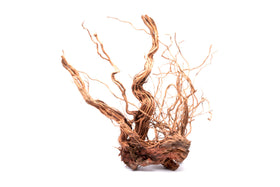


Christmas Moss on Coconut Rabbit
Plant Profile
If SpongeBob didn't live in a pineapple under the sea, this would be his alternative house. In any case, some bunny in your tank is about to be very happy. We have taken a sturdy, naturally sinking coconut shell, carved it into a cute rabbit shape, and wrapped it in a plush coat of iconic Christmas Moss. Since aquarium moss is famously beginner-friendly and practically bulletproof, you get a natural plant decor showpiece with zero green-thumb anxiety.
Key Features & Benefits
- Rabbit-shaped coconut shell naturally sinks out of the box for instant setup and creative hardscape styling.
- Organic, low-maintenance shelter offers a completely natural alternative to synthetic plastic tank decorations.
- Dense, velvety canopy creates a shaded sanctuary for shy shrimp and fry to forage.
Care & Planting Instructions
- Place the coconut rabbit directly onto your substrate or nestle it among your hardscape to form an instant shelter and pop of green.
- Maintain a stable aquarium environment and avoid sudden, drastic changes to your water parameters to keep your moss looking vibrant and healthy.
- Give the moss an occasional light haircut with sharp aquascaping shears to keep its shape neat, compact, and perfectly balanced.
- Propagate your patch in seconds by cutting or pulling a small clump apart and anchoring it to a new surface in your tank.
- Add CO2 injection if you want to accelerate growth and unlock the most intense, eye-popping green coloration possible.
Quick Facts
Listed information should be treated as general guidelines only. Team Buce Plant encourages you to do thorough research to ensure healthy growth!
| Attribute | Specification |
|---|---|
| Scientific Name | Vesicularia Montagnei |
| Common Name(s) | Christmas Moss on Coconut Rabbit, Xmas Moss |
| Family | Hypnaceae |
| Plant Type | Moss on Hardscape / Coconut Shell |
| Care Difficulty | Easy |
| Light Requirement | Low to Medium |
| CO2 Requirement | Optional (Recommended for speed & density) |
| Placement / Usage | Foreground Feature, Creative Centerpiece, Shrimp & Fry Cave Shelter |
| Growth Rate | Slow to Moderate |
| Water Parameters | pH 6.0–8.0 | Temperature 65°F–78°F (18°C–25°C) |
| Propagation Method | Division (Cut, separate, or pull clumps apart) |
| Origin | Southeast Asia |
Frequently Asked Questions
1. How do I keep my Christmas Moss on Coconut Rabbit from turning brown or yellow?
Christmas Moss prefers clean, moving water and cooler temperatures (under 78°F). Browning usually occurs when organic debris gets trapped inside the dense fronds or when water temperatures run too high. Gently siphoning debris out during regular water changes will keep the inner growth green and healthy.
2. Does the coconut shell need to be anchored or weighed down?
No, natural coconut shell decor is naturally weighted and will sink right out of the box. Simply place it flat on your substrate or nestle it among existing rocks and wood.
3. How do I stop moss trimmings from spreading everywhere during maintenance?
Always turn off your filter pumps and powerheads before trimming moss. Use sharp curved shears to make clean cuts, and immediately scoop or siphon out floating cuttings so they don't take root in unwanted areas of your aquarium.