



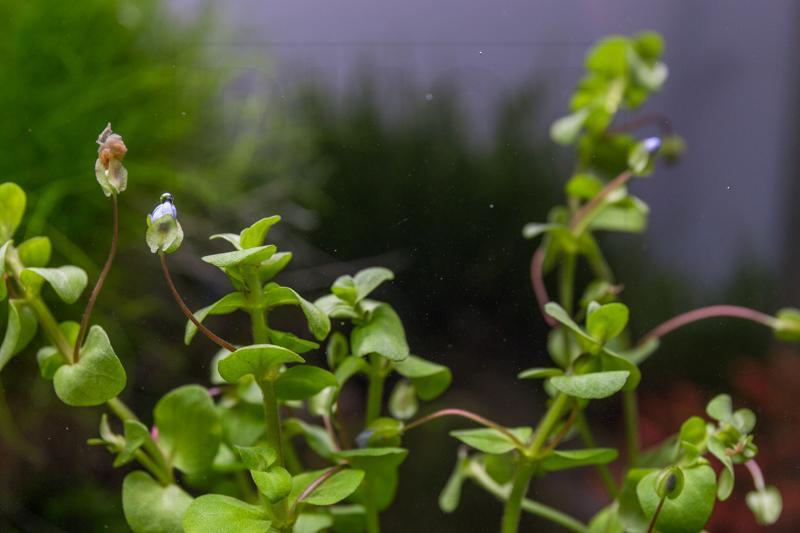
Bacopa Australis
Plant Profile
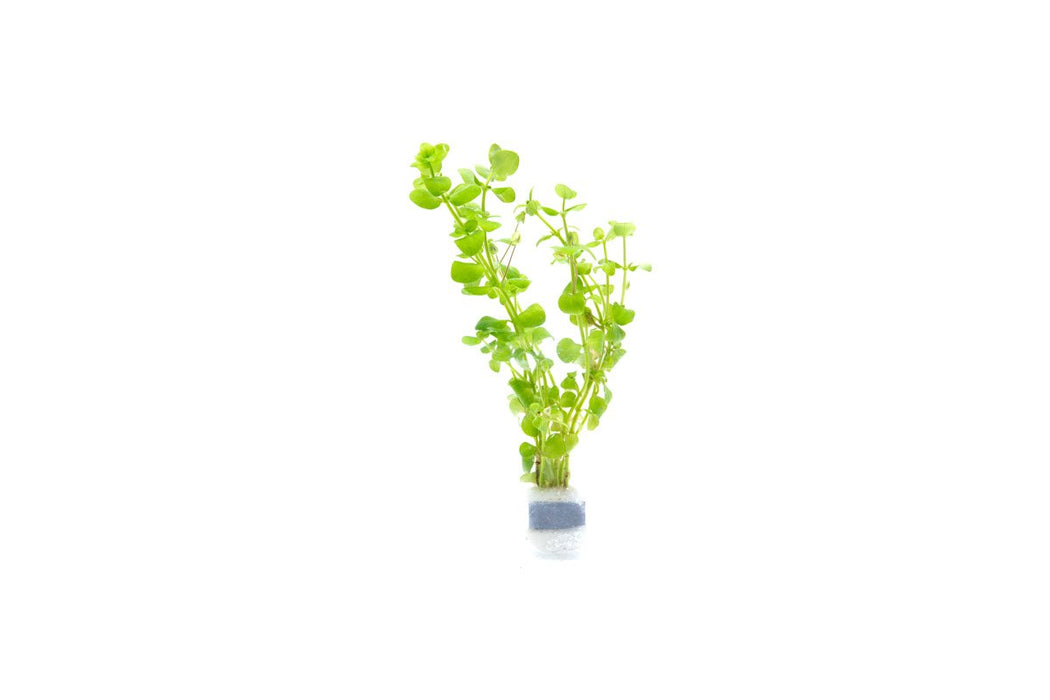
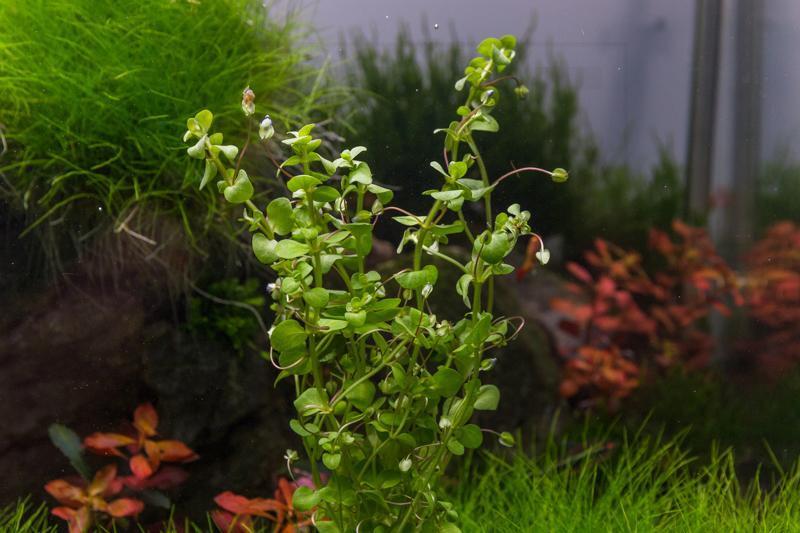
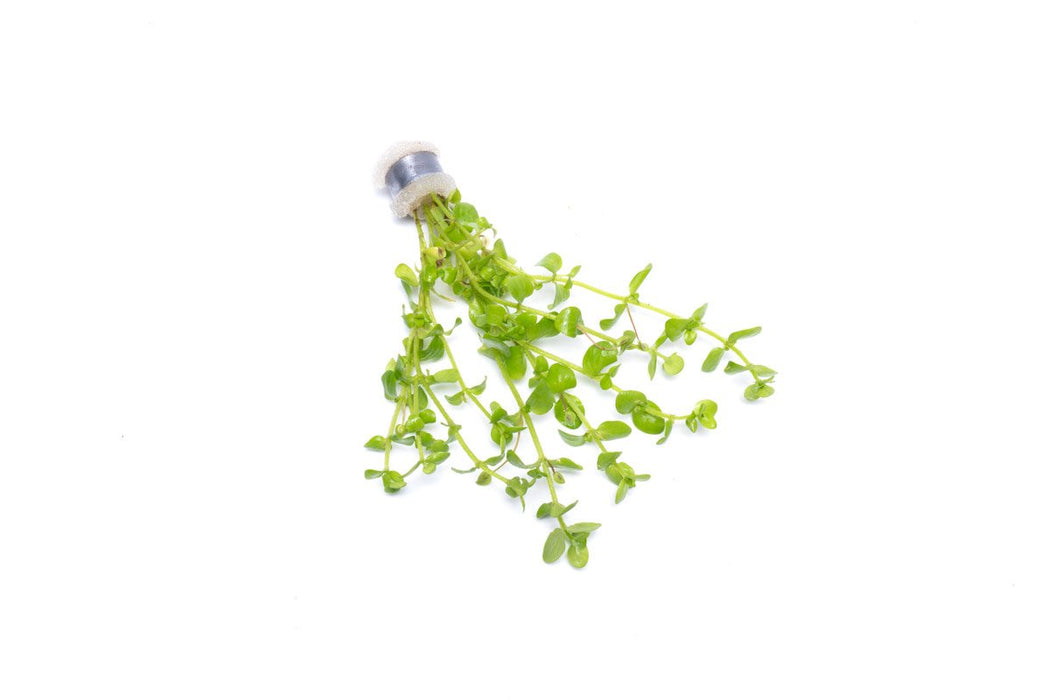
Bacopa Australis is a relatively rare and highly desirable aquatic stem plant native to Central and South America (despite its species name referring to southern Brazil). Less common than its popular relatives Bacopa monnieri and Bacopa caroliniana, it features bright green, roundish leaves that closely resemble Micranthemum umbrosum, but with a much hardier and easier care profile. When planted in groups, Bacopa Australis forms soft, dense midground or background bushes that adapt easily to low-tech tanks. When cultivated emersed in paludariums or open-top setups, it produces delicate, tiny pink and white flowers above the surface.
*Form Notice: Photos display this plant in both its emersed (above-water) and submerged forms. Depending on nursery availability and seasonality, you may receive this plant in either form. Learn more about what to expect by reading our guide on Emersed vs. Submerged-Grown Aquatic Plants.
Key Features & Benefits
- Small, soft green leaves that create a lush, compact bush effect in planted aquariums.
- Hardy and beginner-friendly species that thrives in low-tech setups while absorbing excess water column nutrients.
- Blooms charming pink and white flowers when grown emersed in open-top aquariums, paludariums, or terrariums.
Care & Planting Instructions
- Remove lead weight and remove cotton wrap (or foam) surrounding the base, then strip lower foliage so bare stems anchor cleanly into soil without rotting. *Bacopa leaves can be fragile, so handle stems with care during preparation.
- Use fine-tip pinsettes to push individual stems 1 to 2 inches into nutrient-rich substrate, spacing them slightly apart so light reaches lower foliage.
- Provide moderate-to-high lighting for steady growth, as higher light levels keep the lower stem sections healthy and dense.
- Maintain stable water parameters and clean water conditions; while CO2 injection is not required, it yields significantly thicker stems and faster growth.
- Trim stem tops with straight scissors once they reach the desired height, and replant the trimmings directly into the substrate to propagate. Read our trimming & propagation guide for details.
Quick Facts
Listed information should be treated as general guidelines only. Team Buce Plant encourages you to do thorough research to ensure healthy growth!
| Attribute | Specification |
|---|---|
| Scientific Name | Bacopa australis |
| Common Name(s) | Bacopa Australis, Southern Bacopa |
| Family | Plantaginaceae |
| Plant Type / Taxonomy | Stem Plant |
| Care Difficulty | Easy / Beginner |
| Light Requirement | Moderate to High |
| CO2 Requirement | Not Required (Recommended for faster, fuller growth) |
| Placement / Usage | Midground / Background Bushing |
| Height / Size | 4–12”+ |
| Growth Rate | Slow to Moderate |
| Water Parameters | pH 6.0–7.5 |
| Propagation Method | Cuttings (Cut stem and replant tops) |
| Origin | Central & South America (Brazil) |
Frequently Asked Questions
1. Why are the lower leaves falling off my stem plants?
Lower leaf loss (leggy stems) usually occurs when lighting cannot reach the bottom of the plant due to overcrowding or shading from larger plants. Spacing individual stems slightly apart during initial planting and maintaining adequate light penetration will keep lower leaves healthy.
2. How does Bacopa Australis differ from Bacopa Monnieri or Caroliniana?
Bacopa Australis produces softer, smaller, and rounder leaves that resemble Micranthemum umbrosum rather than the thick, succulent-like leaves of Bacopa monnieri or the larger aromatic leaves of Bacopa caroliniana. It also grows in a softer, creeping or bushy habit under high light.
3. How do I transition Bacopa Australis from emersed to submerged growth?
When transitioning from emersed to submerged growth, plant bare stems securely into rich substrate under moderate-to-high lighting and keep water parameters stable. As new growth adapts, the plant will shed its firmer land leaves and sprout soft, delicate underwater foliage. Once new shoots develop, trim away old lower growth to encourage dense branching.