



Cryptocoryne Crispatula Tonkinensis UNS Tissue Culture
Plant Profile
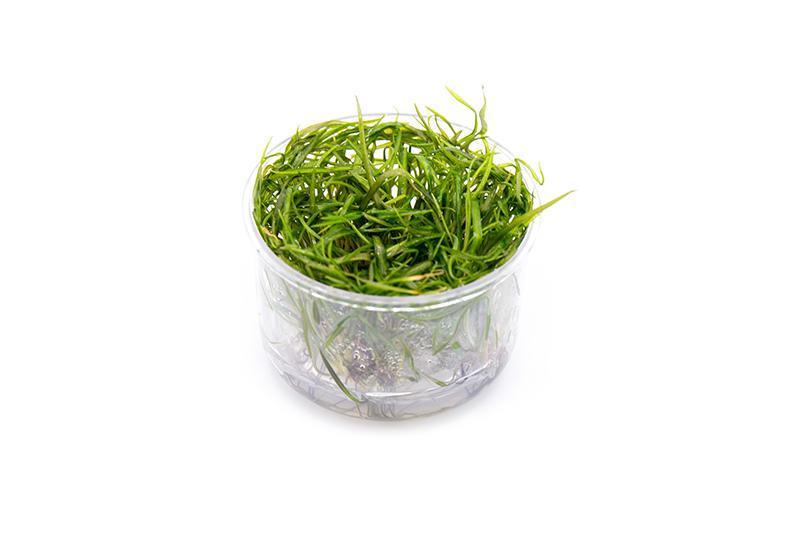
Crypt Tonkinensis is a less common type of crypt that doesn't quite resemble other crypts you're used to seeing. Instead of the thicker, broader leaves typical of most Cryptocoryne species, it grows long, thin, straw-like leaves that give it a more grass-like, almost reed-textured silhouette in the tank. In the wild, it's found growing along the bedrocks of streams and rivers in Thailand and other Southeast Asian countries, where its slender leaves are naturally adapted to withstand moving water. That same hardiness carries over into the aquarium, making it a distinctive textural addition for hobbyists looking to break away from the usual broad-leafed crypt look.
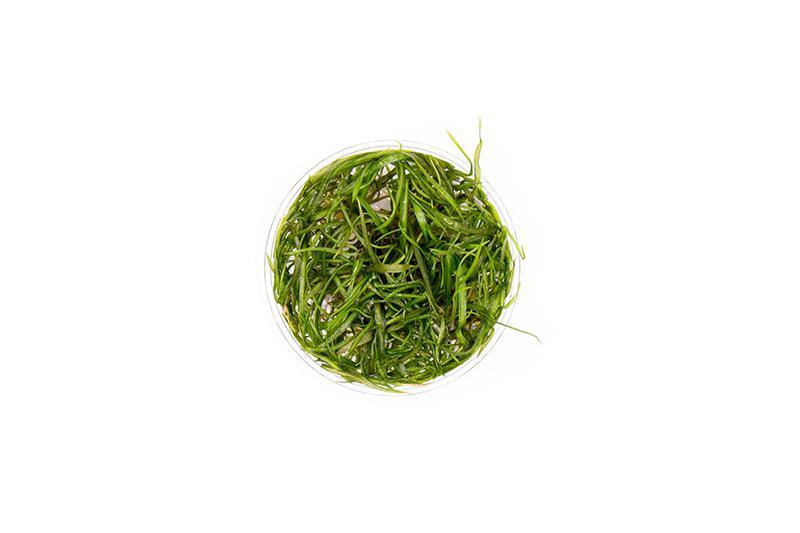
Tissue Culture cups ensure your aquascape gets a super clean starting point. Lab‑grown and fully sterile, it arrives without pests, snails, duckweed, or any unwanted algae. It’s the go‑to option for anyone who wants peace of mind when adding fresh greenery to a carefully maintained setup.
Key Features & Benefits
- Needle-thin, straw-like foliage creates a tall, flowing curtain effect across background zones.
- Can be grown emersed in high-humidity setups, where mature plants may produce flowering spathes.
Care & Planting Instructions
- Thoroughly wash away the nutrient gel from the roots with your fingers before parting it out into manageable portions.
- Use fine-tip pinsettes to push roots deep into quality aquarium soil, as Crypt species are heavy root feeders.
- Insert root tab fertilizers if using an inert substrate like sand or gravel to supply essential subterranean nutrients.
- Inject pressurized CO2 for faster growth and fuller foliage density, though not required for long-term health.
- Choose a permanent spot from day one; moving an established plant will likely trigger leaf loss.
- Crypt species can be grown emersed in high-humidity setups or submerged in aquariums. Propagate by splitting the rhizome or replanting new growth shoots.
- Don't discard the plant if leaves dissolve early on; see our guide to managing Cryptocoryne melt to help your plant recover smoothly.
Quick Facts
Listed information should be treated as general guidelines only. Team Buce Plant encourages you to do thorough research to ensure healthy growth!
| Attribute | Specification |
|---|---|
| Scientific Name | Cryptocoryne crispatula 'Tonkinensis' |
| Common Name(s) | Crypt Crispatula Tonkinensis, Crypt Tonkinensis |
| Family | Araceae |
| Plant Type | Rosette / Root Feeder (Tissue Culture) |
| Height | 10–15" (25–38 cm) |
| Care Difficulty | Easy |
| Light Requirement | Low to Medium |
| CO2 Requirement | Optional (Recommended to accelerate growth and foliage density) |
| Placement / Usage | Background Feature |
| Growth Rate | Moderate to Fast |
| Water Parameters | pH 6.5–7.5 | Temperature 72°F–82°F (22°C–28°C) |
| Propagation Method | Rhizome Division / Runner Offshoots |
Frequently Asked Questions
1. How is Cryptocoryne Crispatula Tonkinensis different from other Cryptocoryne species?
Unlike most crypts that feature broad or wide oval leaves, Tonkinensis produces ultra-thin, straw-like leaves that grow tall and flow with the water current, making it look more like a fine grass or Vallisneria.
2. Is Cryptocoryne Crispatula Tonkinensis suitable for low-tech aquariums?
Yes, it is surprisingly easy and undemanding. It thrives in low-to-medium light without pressurized CO2, provided it has a nutrient-rich substrate or root tab supplementation.
3. How do I help my Cryptocoryne recover if it melts?
Trim away dissolving leaves, maintain stable water parameters, and leave the root system undisturbed so it can rebuild new foliage. Check our guide to managing Cryptocoryne melt for full recovery steps.