




Selaginella Pulvinata
Plant Profile
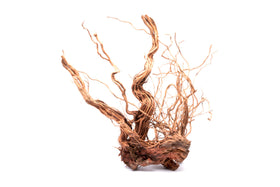
Selaginella pulvinata is an evergreen lycophyte characterized by densely tufted branches that grow in tight rosette-like rosettes, eventually forming an intertwined, woody trunk reminiscent of a miniature cypress tree. Thriving strictly in humid terrestrial conditions, its rich green scaly foliage provides immediate scale and depth when nestled into crevices of dark lava rock or tucked against driftwood. Native to exposed limestone rock faces, this species is a true resurrection plant, as during periods of low moisture, its branch tips curl tightly inward into dry, claw-like yellowish clusters to protect the growing crown, unfurling back into flat, vibrant emerald rosettes within hours of receiving water.
Key Features & Notes
- Intertwined stems and exposed rootlets mature into a distinct miniature tree-like profile.
- Curling resurrection habit allows fronds to close during brief dry spells and reopen with moisture.
- Pairs naturally alongside trailing mosses and humidity-loving plants in terrariums or vivariums.
Care & Planting Instructions
- Prep the plant by removing it from the pot and clearing all rockwool from the roots.
- Tuck the root base into a well-draining, airy substrate mix of bark, pumice, and sphagnum moss, or wedge it directly into hardscape crevices where water cannot pool stagnant around the crown.
- Provide low to moderate indirect lighting; harsh direct light can scorch the tips and trigger prolonged curling.
- Maintain humidity above 70% while ensuring adequate ventilation, as perpetually soggy or waterlogged roots will lead to yellowing fronds and stem melt.
- Trim damaged or dead lower branchlets near the base with sharp shears to maintain a tidy rosette form.
- Final size and branch density depend entirely on your specific setup conditions; please note that photos are a representation, and individual plants may vary.
- Selaginella pulvinata are terrestrial plants, and being submerged will result in the death of the plants.
Quick Facts
Listed information should be treated as general guidelines only. Team Buce Plant encourages you to do thorough research to ensure healthy growth!
| Attribute | Specification |
|---|---|
| Scientific Name | Selaginella pulvinata |
| Common Name(s) | Cushion Spikemoss, Resurrection Spikemoss |
| Family | Selaginellaceae |
| Plant Type | Lycophyte / Rosette Spikemoss |
| Care Difficulty | Easy |
| Light Requirement | Low to Medium (Indirect / Filtered) |
| Submersion Suitability | Emersed Only (Not for full submersion) |
| Placement / Usage | Midground, Hardscape Crevices, Paludarium Rock Ledges |
| Height / Size | 2"–6" (5–15 cm) |
| Growth Rate | Slow to Moderate |
| Humidity Requirement | High (> 70% RH) |
| Propagation Method | Division / Stem Cuttings |
| Origin | East Asia |
Frequently Asked Questions
1. Can Selaginella pulvinata survive in a closed terrarium?
Yes. It thrives in enclosed glass containers as long as it is planted in loose, gritty substrate with good drainage rather than waterlogged soil.
2. Why are the fronds on my Selaginella pulvinata curling up and turning brown?
Inward curling fronds indicate low ambient humidity or a dry root zone. Mist the plant thoroughly or increase enclosure humidity to prompt the rosettes to reopen.
3. How do you propagate Selaginella pulvinata?
Carefully separate individual rooted rosettes from the parent cluster during maintenance, or take short stem branchlets and anchor them onto damp, porous rock or moss.