




Zebra Nerite Snails
Species Profile
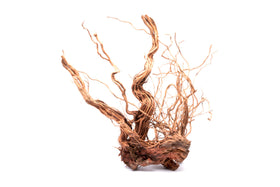
Zebra Nerite Snails (Neritina natalensis) are peaceful herbivorous gastropods in the family Neritidae native to coastal brackish and freshwater stream systems across Africa. This species displays a smooth, golden-amber shell accented by bold black zebra-like bands, making them both an aesthetic accent and a dedicated clean-up crew for planted aquariums. They spend their days scouring glass, rocks, and hardscape clean of stubborn film algae, diatoms, and green spot algae without ever taking a bite out of your prized live plants. Because their larvae require brackish water to hatch and develop, they will never reproduce or turn your tank into an out-of-control snail colony, though you should expect them to leave small white calcified egg spots on your favorite driftwood as proof they are settled in.
**Note: All livestock orders will come carefully packaged with solid wall Styrofoam insulation and shipped via 1-day shipping only. No extra insulation needs to be added to your cart for your livestock.
Key Features & Notes
- Striped gold and black shell pattern adds visual contrast.
- Strictly herbivorous diet targets green spot algae, diatoms, and biofilm without damaging aquatic plants.
- Inability to reproduce in freshwater environments prevents accidental population spikes.
Acclimation & Care Instructions
- Float the sealed transport bag in your aquarium for 15 to 20 minutes to equalize water temperature before opening.
- Drip-acclimate the snail over 30 to 45 minutes using airline tubing to slowly adjust it to your tank's pH, hardness, and mineral levels.
- Place the snail upright on flat hardscape or substrate at the bottom; do not drop it upside down, as Nerites struggle to right themselves on soft sand.
- Maintain stable water chemistry with a pH above 7.0 and sufficient mineral hardness (GH) to prevent shell pitting or calcium erosion over time.
- Supplement with algae wafers, spirulina disks, or blanched zucchini if your aquarium runs out of natural diatom film and surface algae.
- Keep a tight-fitting lid on your aquarium, as active Nerites occasionally wander above the waterline on clean-up patrol.
- Final shell banding patterns and coloration vary naturally between specimens; please note that photos are a representation of healthy stock.
Quick Facts
Listed information should be treated as general guidelines only. Team Buce Plant encourages you to do thorough research to ensure healthy livestock!
| Attribute | Specification |
|---|---|
| Scientific Name | Neritina natalensis |
| Common Name(s) | Zebra Nerite Snail |
| Family | Neritidae |
| Care Difficulty | Easy |
| Diet | Herbivore (Algae, diatoms, biofilm, sinking wafers) |
| Plant Safe | Yes, but may eat decaying plant matter |
| Temperament | Peaceful Clean-Up Crew |
| Adult Size | 0.5"–1" (1.3–2.5 cm) |
| Minimum Tank Size | 5+ Gallons |
| Water Parameters | pH 7.0–8.2 | GH 5–8 | KH 5–15 | 72°F–82°F (22°C–28°C) |
| Freshwater Breeding | No (Larvae require high-salinity brackish water) |
| Origin | Coastal East Africa |
Frequently Asked Questions
1. Will Zebra Nerite snails eat or damage my live aquarium plants?
No. Zebra Nerites have rasping radulas designed strictly for grazing surface films, diatoms, and soft algae off hard surfaces. They lack the jaw strength or interest to chew through healthy plant leaves.
2. Can Zebra Nerite snails reproduce and overrun my freshwater tank?
No. While female Nerites frequently lay small, durable white egg capsules on driftwood, stone, and glass, these eggs cannot hatch or develop in freshwater. They require brackish, highly saline water for the veliger larvae to survive, meaning they will never reproduce into a pest infestation in standard freshwater setups.
3. How do I stop my Zebra Nerite snail's shell from eroding or cracking?
Shell erosion and pitting happen when snails are kept in acidic or soft water with a low pH (under 7.0) and low calcium/GH levels. Keep your water slightly alkaline and supply adequate dietary calcium through mineral-rich foods, wondershell, or cuttlebone to maintain a thick, healthy shell.
4. What tank mates should I avoid housing with Zebra Nerite snails?
Avoid housing Nerites with aggressive snail-eating species such as Clown Loaches, Yo-yo Loaches, Assassin Snails, predatory Crayfish, and large pufferfish. They do exceptionally well alongside peaceful community fish, dwarf shrimp (Neocaridina and Caridina), Otocinclus, and Corydoras.