



Freshwater Aquarium Shrimp Care for Beginners
Have you ever looked at a beautifully planted aquarium and noticed the tiny, colorful creatures diligently cleaning the leaves and substrate? Those are freshwater shrimp, and they are becoming incredibly popular in hobby aquariums. For anyone just starting, the idea of freshwater aquarium shrimp care for beginners might seem a little intimidating, but it’s much easier than you think!
This guide will walk you through everything you need to know to create a thriving shrimp habitat, from setting up the right environment to understanding their behavior. Let’s get started on your shrimp-keeping adventure!
Choosing Your First Shrimp
When you’re just setting out, it’s best to start with a hardy, forgiving species. This allows you to learn the ropes of shrimp care without the stress of caring for a more delicate species. Two species stand out as perfect choices for beginners.
Neocaridina Shrimp

Fire Red Cherry Shrimp
Neocaridina davidi are the superstars of the shrimp world. They are incredibly resilient and can adapt to a wide range of water conditions, which makes them very forgiving for beginners.
On top of that, they come in a rainbow of colors, including red, blue, yellow, green, and even black. Their bright colors add a beautiful pop to any aquarium, and their active nature is a joy to watch. They are also prolific breeders, so you’ll likely see your colony grow over time!
Amano Shrimp
Close-up of an Amano Shrimp
Caridina multidentata, or Amano Shrimp, is another fantastic choice. Named after the famous aquascaper Takashi Amano, these shrimp are renowned for their incredible algae-eating abilities. They are a bit larger than Neocaridina shrimp and are more translucent, with small, dark spots along their bodies. Amano Shrimp are exceptionally hardy and peaceful, so they coexist well with a variety of fish.
Setting Up the Perfect Shrimp Tank
Creating the right environment is the most critical step to ensuring happy, healthy shrimp. After all, they need a stable and safe habitat to thrive.
Tank Size and Filtration
UNS 5N - 4.6 gallon tank housing only freshwater shrimp
A smaller tank, around 5–10 gallons, is a great starting point for a shrimp-only setup. If you plan to keep them with fish, you’ll need a larger tank of at least 20 gallons. Filtration is another important step for maintaining water quality.
A sponge filter is the best choice for a shrimp tank because of its gentle flow, meaning it won’t suck up any tiny baby shrimp. Additionally, the sponge surface provides a great place for beneficial bacteria to grow. These bacteria are vital for breaking down waste and keeping the water clean.
Substrate and Decorations
Yellow Goldenback Shrimp grazing amongst Cholla Driftwood & Java Ferns
Shrimp feel safest when they have plenty of places to hide, especially during molting when they are most vulnerable. Live plants are an excellent addition to any shrimp tank. Java moss, anubias, and hornwort are fantastic options because they provide cover and a surface for biofilm to grow on.
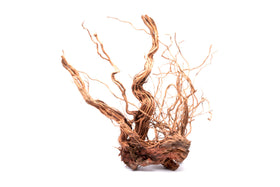
Driftwood and cholla wood are also wonderful additions. They release beneficial tannins into the water and offer more grazing surfaces for your shrimp. A dark substrate, such as black sand or gravel, can make your shrimp’s colors stand out beautifully.
Water Parameters and Cycling

Newly set up UNS 60L aquarium cycling before adding shrimp
Maintaining stable water parameters is key to successful shrimp keeping. Shrimp are sensitive to sudden environmental changes, so consistency is your best friend.
The Nitrogen Cycle
Before you add any shrimp to your tank, you must cycle it. The nitrogen cycle is the process by which beneficial bacteria establish themselves in your filter and substrate. These bacteria convert harmful ammonia from waste into less toxic nitrates. This process can take several weeks, but it is necessary. Once ammonia and nitrite levels are at zero, your tank is ready for shrimp.
Temperature and pH
Most beginner-friendly shrimp, like Neocaridina, thrive in a temperature range of 68 to 78°F (20 to 25°C). A stable temperature is more beneficial than a fluctuating one, so using an aquarium heater is a good idea, especially in cooler climates.
The ideal pH range for these shrimp is 6.5–7.5. Your tap water will likely fall within this range, but it’s always good to test it.
Water Changes
Regular water changes help keep nitrate levels low and replenish essential minerals. A weekly change of about 10 to 20 percent of the tank’s water is a good routine. When adding new water, make sure it’s a similar temperature to the tank water to avoid shocking your shrimp. Drip acclimating the new water is the safest method.
Feeding Your Shrimp

Freshwater aquarium shrimp feeding on SL-Aqua Shrimp Food
Shrimp are excellent scavengers and will spend most of their day grazing on biofilm, algae, and decaying plant matter in the tank. However, their diet should be supplemented to ensure they get all the necessary nutrients.
A high-quality commercial shrimp food should be the foundation of their diet. These foods are specifically formulated with the vitamins and minerals shrimp need to grow and molt successfully. You can also offer blanched vegetables like zucchini, spinach, and cucumber as a treat.
It’s very easy to overfeed shrimp! A small amount of food once a day or every other day is plenty. Any leftover food should be removed to prevent it from fouling the water.
Shrimp Behavior and Tank Mates
Watching your shrimp is one of the most enjoyable parts of keeping them. They are constantly busy, exploring every nook and cranny of the tank.
Molting

Shrimp molt
Shrimp have an exoskeleton that they must shed to grow. This process is called molting. You might find empty shrimp shells, known as molts, in your tank. This is a normal and healthy sign. After molting, a shrimp is very soft and vulnerable, so they will hide for a day or two until their new shell hardens.
Tank Mates

Rummy Nose Rasbora
Choosing the right tank mates is crucial. Many fish will see shrimp as a tasty snack. If you want to keep fish with your shrimp, choose small, peaceful species like otocinclus catfish, small rasboras, or pygmy corydoras. Avoid larger or aggressive fish. Snails, such as nerite or mystery snails, make great tank mates, as they are peaceful and can also help with cleaning.
Your Path to Shrimp Keeping Success
Keeping freshwater shrimp is an incredibly rewarding experience! These tiny creatures add so much life and color to an aquarium, and their diligent cleaning habits are a huge plus. Remember that patience and consistency are your greatest tools. Take the time to cycle your tank properly, perform regular maintenance, and observe your shrimp daily.
Soon, you’ll have a thriving colony that brings you endless enjoyment. With this guide to freshwater aquarium shrimp care for beginners, you’re well on your way to becoming a confident and successful shrimp keeper!
Ready to dive into the wonderful world of shrimp keeping? If you’re excited to add colorful freshwater fish tank shrimp to your aquascape, Buce Plant has everything you need to get started! From stunning shrimp to high-quality tanks and accessories, we’ve got you covered. Explore our selection today and begin your journey toward creating a vibrant, thriving underwater ecosystem.
Comments
Leave a comment