



How To Use a Bonsai Tree in Your Aquascape
Aquascaping has captured the hearts of aquarium enthusiasts worldwide, transforming simple tanks into breathtaking underwater landscapes. If you’re looking to elevate your design, adding a bonsai driftwood tree might be the perfect next step. Imagine creating a mystical, submerged forest or a serene, zen-like garden right in your aquarium.
This guide will walk you through everything you need to know, providing a complete overview of how to use a bonsai tree in your aquascape. We’ll cover what they are, how to choose the right one, and the step-by-step process for preparing and placing it in your tank.
What Is an Aquascaping Bonsai Tree?
 UNS Bonsai 008-S in a UNS 5N aquarium
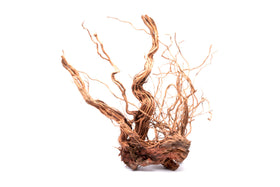
First things first, let’s clear up a common question. An aquascaping bonsai tree isn’t a live, growing tree submerged in water. Instead, it’s a piece of driftwood artfully crafted to look like a miniature bonsai tree. These pieces are typically made from various types of aquarium-safe wood, twisted, shaped, and sometimes glued together to mimic the intricate, elegant forms of traditional bonsai.
These driftwood creations serve as a fantastic hardscape element. They provide structure, depth, and a natural focal point for your aquascape. You can attach live aquatic mosses and other small plants to the “branches” to create the illusion of a lush, green canopy, completing the underwater tree effect.
Why Add a Bonsai Tree to Your Tank?
 Various-sized Bucephalandra on Bonsai Trees in a 4.6-gallon tank
Adding a bonsai driftwood tree to your aquascape offers several wonderful benefits beyond just looking amazing. It introduces a powerful element that draws the eye and adds a sense of scale and grandeur to your layout. This can make a smaller tank feel larger and more dynamic.
Moreover, these driftwood structures create interesting nooks and crannies for your fish and shrimp to explore and hide in, which can reduce stress and encourage natural behaviors. The wood also provides a surface for beneficial biofilm to grow, offering a supplemental food source for invertebrates like shrimp and snails.
Choosing the Right Bonsai Tree for Your Aquascape
 Pieces of Bonsai Driftwood come together to create a tree-like layout in a UNS 60U
Selecting the perfect bonsai driftwood for your tank is an exciting part of the process! There are a few factors to consider to make the best choice for your specific setup.
Consider Your Tank Size
The size of your bonsai tree should be proportional to your aquarium. A large, sprawling tree can overwhelm a small tank, while a tiny tree might get lost in a massive aquascape. Measure your tank’s dimensions and think about where you want to place the tree. You want it to be a focal point, not a distraction.
Match Your Desired Style
Bonsai driftwood comes in a wide variety of styles. Some pieces mimic the windswept look of trees on a cliffside, while others have the classic, gnarled appearance of an ancient forest tree. Think about the overall mood you want to create. Are you aiming for a peaceful zen garden, a wild jungle scene, or a mystical underwater forest? Choose a tree shape that aligns with your artistic vision.
Check for Aquarium Safety
Above all, confirm that the wood used to create the bonsai tree is safe for aquarium use. Most reputable suppliers use treated driftwood that won’t rot quickly or leach harmful substances into your water. This protects your fish’s health and the stability of your tank’s ecosystem.
Preparing Your Bonsai Tree for the Aquarium
 Bonsai Driftwood planted using Bucephalandra, Moss, and Rotalas
Once you’ve found the perfect bonsai driftwood, you can’t just drop it into your tank. Proper preparation is necessary to ensure your aquatic inhabitants are safe and prevent issues.
Cleaning the Wood
First, give your new bonsai tree a thorough cleaning. Use a stiff-bristled brush and hot water to scrub away any dirt, dust, or loose debris. Avoid using soap or any chemical cleaners, as residues can be toxic to your fish and shrimp. The goal here is simply to physically remove any surface contaminants before moving on to the next step.
Boiling or Soaking the Wood
This is perhaps the most important part of the preparation process. Soaking or boiling the driftwood serves two purposes: it helps waterlog the wood so it sinks, and it releases tannins. Tannins are natural compounds that can stain your water a tea-like color. While not harmful, most aquarists prefer clear water.
Boiling is the fastest method. Submerge the tree in a large pot of water and boil it for one to two hours. This will speed up the release of tannins and help kill any potential pests or bacteria. If the tree is too large to boil, you can soak it in a large bucket or tub. Change the water daily until it runs mostly clear. This process can take anywhere from a few days to a few weeks, so patience is key!
Attaching Plants or Moss
After your bonsai tree is cleaned and waterlogged, it’s time for the fun part: adding the leaves! You can attach aquatic mosses such as Java Moss, Christmas Moss, or Flame Moss to branches to create a beautiful, green canopy. Small portions of moss can be tied on with fishing line or cotton thread, or you can use a dab of aquarium-safe super glue.
Other small plants, such as Anubias Nana Petite or Bucephalandra, can also be attached to the trunk and branches for added texture and interest. Over time, these plants will grow and anchor themselves to the wood, creating a stunning, living centerpiece for your aquascape.
Design and Placement Tips
 Various sizes of UNS Bonsai 001 are combined to create depth and negative space
Try to position the tree according to the rule of thirds, placing it off-center rather than directly in the middle of the tank. This creates a more natural and dynamic composition. Also, think about the flow of your aquascape. You can use the direction of the tree’s “branches” to guide the viewer’s eye through the tank.
Surround the base of the tree with smaller rocks and a carpet of foreground plants to create a smooth transition between the hardscape and the substrate. This will help anchor the tree visually and make it appear as if it’s naturally growing out of the ground. Don’t be afraid to experiment with different positions until you find what looks best to you!
Your Guide to an Underwater Masterpiece
A bonsai driftwood tree can be a transformative element in your aquarium. It adds structure, beauty, and a touch of magic that few other hardscape pieces can match. By taking the time to choose, prepare, and place your tree thoughtfully, you can create a truly captivating underwater world. Now that you have a complete guide on how to use a bonsai tree in your aquascape, you’re ready to start your next creative project.
Ready to bring your own aquarium tank to life? If you’re looking for that perfect aquatic bonsai tree to create a stunning focal point, Buce Plant has you covered. Explore our extensive collection and find the ideal centerpiece to start your aquascaping adventure today!
Leave a comment